
The Hidden Costs of Aging at Home: Why Staying Put Might Be More Expensive Than You Think
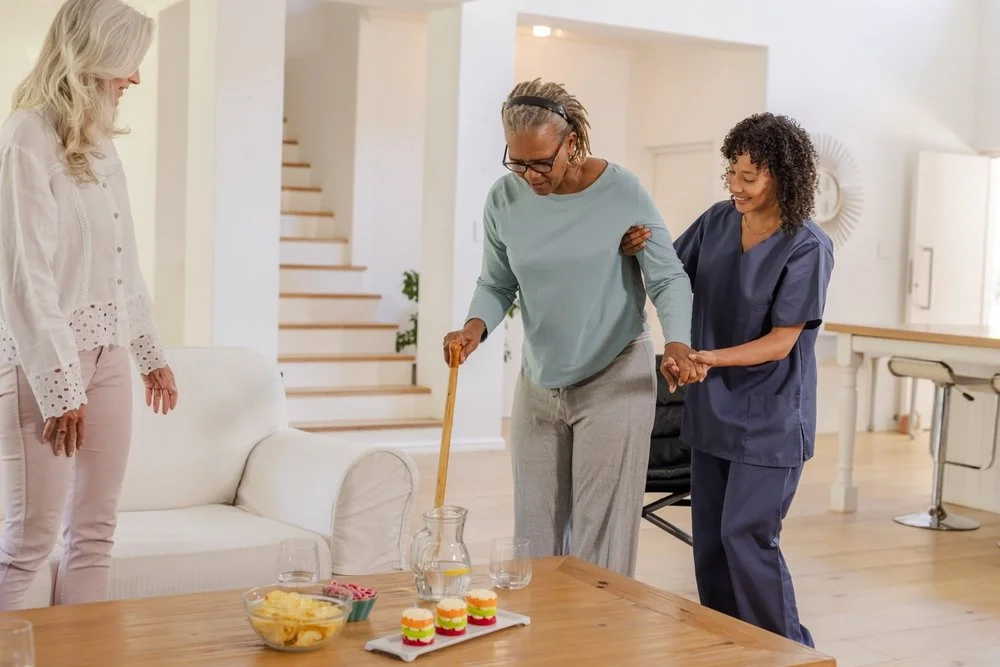
"I want to stay in my own home." It's a common statement made by seniors when discussing their retirement plans. Decades of memories, comfortable surroundings, and familiar routines are all preserved within your home. The cost of aging at home is frequently significantly higher than that of moving into a senior care facility, something that many families are unaware of until it is too late.
This surprises people. After all, you already own your house, right? The mortgage might even be paid off. How could staying there be expensive?
The reality is that aging safely at home requires modifications, services, and ongoing expenses that add up fast.Meanwhile, senior living communities bundle many of these costs into one predictable monthly fee. Let's break down the real numbers so you can make an informed decision for yourself or a loved one.
The Home Modification Expenses Start Immediately
The majority of houses were not designed with aging in mind. The house that was just fine for years suddenly becomes a difficult path when mobility declines or health demands change.
Common modifications needed for safe aging at home:
Wheelchair ramps or stair lifts
Bathroom grab bars and walk-in shower installations
Wider doorways for walker or wheelchair access
Better lighting throughout the home
Non-slip flooring in bathrooms and kitchens
First-floor bedroom conversion if stairs become impossible
These aren't quick weekend tasks. Making a simple bathroom upgrade senior-safe can end up costing a lot of money. Another significant investment is a stair lift; the price will depend on whether your staircase is curved or straight.
The problem is that these changes have no effect on the market value of your house. In fact, the majority of consumers will take them off. You're investing thousands of dollars in changes that will only benefit you in the short term.
Home Maintenance Gets Harder and More Expensive
Mowing the lawn is a form of exercise while you're younger. It becomes a safety hazard as you get older. In time, it becomes impractical.
Suddenly, all those tasks you handled yourself need to be outsourced:
Lawn care and snow removal
Gutter cleaning
Window washing
Home repairs that you used to DIY now require contractors at premium rates
Regular maintenance on HVAC, plumbing, and electrical systems
Don't forget that homes themselves age. That roof you installed years ago? It needs replacing soon. The water heater, furnace, and appliances all have limited lifespans. Emergency repairs might be seriously expensive if you're on a fixed income.
Without factoring in utilities or property taxes, many seniors discover that maintaining a safe and functional house costs a substantial portion of their monthly income.
The Help You'll Need Costs More Than You Think
This is where the math really starts adding up. Most people aging at home eventually need help with daily activities. Maybe it starts with heavy housecleaning. Then meal preparation. Then personal care. As families compare these growing in-home care expenses to the structured support offered in many senior living communities in Sacramento, CA, they often realize the monthly difference is smaller than expected.
Home care services typically include:
Homemaker services like cleaning, cooking, and errands
Home health aide assistance with personal care
Visiting nurse services
Live-in care for round-the-clock needs
Let's do some real math. Let's say you require assistance with everyday tasks like dressing, bathing, and cooking four hours a day, five days a week. These services have hourly charges that mount up quickly. Do you need coverage over the weekend? The expenses rise significantly.
If you need full-time care, the numbers get scary fast. Live-in care represents one of the most significant expenses families face when trying to keep a loved one at home safely.
Compare this to assisted living communities, which bundle housing, meals, activities, and personal care assistance into one monthly fee. The math suddenly looks very different.
Transportation Becomes a Major Expense
Everything is different when you stop driving. Transportation is necessary for doctor's appointments, grocery shopping, social events, and drugstore runs.
Options available include:
Ride services like Uber or Lyft
Medical transportation services
Taxi services
Grocery delivery with tips and fees
If you have regular doctor appointments, weekly grocery trips, and occasional other outings, transportation costs can consume a surprising portion of your monthly budget.
Senior living communities typically offer scheduled transportation to appointments and shopping trips as part of the monthly fee. Some even have doctors who visit the community regularly, eliminating many transportation needs entirely.
Meals and Nutrition Get Complicated and Costly
As you get older, cooking is more difficult. Chopping is challenging for people with arthritis. It gets exhausting to stand at the stove. Without a car, grocery shopping might be difficult. A lot of elderly people eat poorly, which causes health issues.
Your options for getting proper nutrition at home:
Meal delivery services for each meal
Prepared meal delivery kits
Restaurant delivery with fees and tips
Hiring someone to shop and cook
When you need three meals a day, seven days a week, even inexpensive meal delivery services add up. Along with snacks and social dining opportunities, the majority of senior living homes include three chef-prepared meals each day in their monthly charge.
The Social Isolation Tax on Your Health
Although it is more difficult to quantify in dollars, this cost is extremely substantial. Aging alone at home frequently results in isolation, which has been linked in studies to depression, accelerated cognitive decline, and even an earlier death.
Fighting isolation at home requires investment:
Senior center memberships and activities
Transportation to these activities
Private companions or social visits
Seniors who live alone and don't regularly interact with others are more prone to have depression, falls due to inactivity, and cognitive decline.
Senior communities include activities, social programs, fitness classes, and built-in companionship. Residents typically show better health outcomes, which means lower medical costs over time.
Emergency Response and Safety Systems
When you live alone, a fall or medical emergency becomes life-threatening if you can't call for help.
Safety systems you'll likely need:
Medical alert systems with monthly monitoring
Home security monitoring
Smart home safety devices for fall detection and medication reminders
Video monitoring systems
For peace of mind, many elderly people need several safety and monitoring systems. The monthly charge for senior living homes includes wellness checkups, emergency call systems in each apartment, and staff on duty around-the-clock.
The Real Total Cost of Aging at Home
Let's add up a realistic scenario for someone aging at home who needs moderate assistance:
Home modifications (spread over several years)
Home maintenance and repairs
Property taxes and insurance
Utilities
Part-time home care several hours per week
Meal services
Transportation
Safety and monitoring systems
Lawn and snow care
The monthly total can easily exceed what many assisted living communities charge, and this doesn't include medical expenses, entertainment, or emergency repairs. It also assumes only moderate care needs. Many seniors require much more assistance.
What Senior Living Actually Costs
Assisted living communities in most U.S. markets offer one monthly fee that typically includes:
Your private apartment with maintenance
Three meals daily
Housekeeping and laundry
Personal care assistance
Activity programs and social events
Transportation services
Emergency response systems
Utilities except phone
Staff presence around the clock
Many people find that the all-inclusive nature of senior living really offers greater care and a higher quality of life at a lower expense than combining services at home. When families compare these bundled services to the rising cost of care at home, many discover that assisted living in El Dorado Hills provides more predictable monthly expenses along with a stronger sense of community and support.
The Financial Planning Nobody Does
Here's what happens in thousands of families every year: Mom or Dad insists on staying home. The family agrees because it seems less expensive. Nobody actually calculates the real costs.
Then Dad falls and needs help. The family scrambles to hire caregivers. Medical bills pile up. The house needs repairs. Within a year, they've spent enormous amounts on home care, eaten through savings, and Dad is actually less safe and happy than he would be in a community setting.
By the time they realize a senior living community would have been smarter financially, Dad has spent a year increasingly isolated, the family is stressed and exhausted, and the money that could have paid for years of quality senior living is gone.
Making the Right Choice for Your Situation
This does not imply that everyone should go into senior living right away. Some people are healthy, have family support, and have the resources to age well at home. However, this decision requires practical preparation and honest math.
Questions to ask yourself:
What are the actual monthly costs of staying home with the services you need?
Do you have family nearby who can help regularly, or will you need to pay for everything?
Is your home already modified for aging, or will you need expensive renovations?
How will you handle emergencies when alone?
What happens when your care needs increase in two or five years?
When aging at home makes financial sense:
Your home is already accessible and safe
You have family or friends nearby who can provide regular assistance
You need minimal care assistance
You have strong social connections outside your home
Your financial resources can cover increasing care costs
When senior living makes more financial sense:
You need daily assistance with personal care or meals
You live alone without nearby family support
Your home requires significant modifications
You're already spending substantial amounts on home care and services
You value predictable monthly expenses
Social isolation is affecting your wellbeing
When Staying Home Isn’t the Budget-Friendly Choice
"Staying in my own home" sounds less expensive than "moving to senior living." But once you factor in home modifications, maintenance, care services, meals, transportation, and safety systems, many people discover they're spending the same amount or more to age at home with less security, fewer social opportunities, and more stress on their families.
The point isn't that everyone should move to senior living. It's that families should make this decision based on real numbers, not assumptions. Calculate what aging at home actually costs in your specific situation. To make a confident, informed decision about your next steps, contact Allyson Senior Solutions today for personalized guidance based on your family’s real financial picture.